Sure! Here’s an introduction to blockchain mutual aid platf
Sure! Here’s an introduction to blockchain mutual aid platforms in English:

---

**Introduction to Blockchain Mutual Aid Platforms**

In recent years, the concept of mutual aid has evolved, finding its footing in the digital age through the advent of blockchain technology. A blockchain mutual aid platform is a decentralized system that facilitates collective assistance among participants, leveraging the transparency, security, and trustworthiness that blockchain offers. Unlike traditional insurance models, where risk is pooled and managed by a central authority, these platforms empower individuals to collaborate directly, thereby fostering a community-driven approach to mutual support.

**Key Features:**

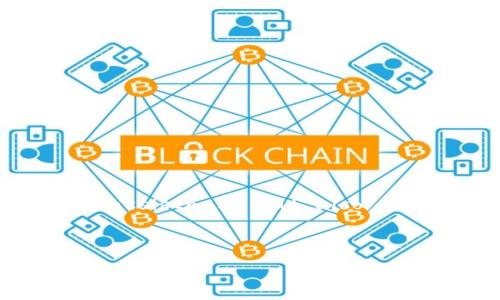
1. **Decentralization**: Blockchain technology eliminates the need for intermediaries, allowing users to connect directly with one another. This decentralization reduces operational costs and increases the efficiency of transactions.

2. **Transparency**: Every transaction on a blockchain is recorded on a public ledger, providing full transparency to all participants. This feature builds trust among members, as all contributions and payouts are visible and verifiable.

3. **Smart Contracts**: These are self-executing contracts with the terms of the agreement directly written into lines of code. Smart contracts automate the process of claims and payouts, ensuring that assistance is distributed fairly based on predetermined conditions.

4. **Community Governance**: Many blockchain mutual aid platforms incorporate governance mechanisms that allow members to participate in decision-making processes. This collective governance ensures that the platform evolves in line with the community's needs.

5. **Lower Costs**: By removing overhead associated with traditional insurance models, such as administrative fees and profit margins, users can often benefit from lower contribution rates and more substantial payouts when assistance is needed.

**Potential Benefits:**

- **Empowerment**: Members of a mutual aid platform gain control over their aid mechanisms, promoting a sense of ownership and participation in their community.
  
- **Accessibility**: These platforms can offer support in regions or demographics underserved by traditional insurance providers, creating inclusive safety nets for a wider audience.

- **Resilience and Sustainability**: The mutual aid model fosters stronger community ties, promoting a culture of support and resilience among members, which can be crucial in times of crisis.

**Conclusion:**

Blockchain mutual aid platforms represent a transformative shift in how communities can provide support to one another. By harnessing the power of decentralized technology, transparency, and smart contracts, these platforms not only redefine traditional models of assistance but also enhance the capacity for collective resilience in an increasingly complex world.

--- 

Feel free to modify any part of the text to better suit your needs!Sure! Here’s an introduction to blockchain mutual aid platforms in English:

---

**Introduction to Blockchain Mutual Aid Platforms**

In recent years, the concept of mutual aid has evolved, finding its footing in the digital age through the advent of blockchain technology. A blockchain mutual aid platform is a decentralized system that facilitates collective assistance among participants, leveraging the transparency, security, and trustworthiness that blockchain offers. Unlike traditional insurance models, where risk is pooled and managed by a central authority, these platforms empower individuals to collaborate directly, thereby fostering a community-driven approach to mutual support.

**Key Features:**

1. **Decentralization**: Blockchain technology eliminates the need for intermediaries, allowing users to connect directly with one another. This decentralization reduces operational costs and increases the efficiency of transactions.

2. **Transparency**: Every transaction on a blockchain is recorded on a public ledger, providing full transparency to all participants. This feature builds trust among members, as all contributions and payouts are visible and verifiable.

3. **Smart Contracts**: These are self-executing contracts with the terms of the agreement directly written into lines of code. Smart contracts automate the process of claims and payouts, ensuring that assistance is distributed fairly based on predetermined conditions.

4. **Community Governance**: Many blockchain mutual aid platforms incorporate governance mechanisms that allow members to participate in decision-making processes. This collective governance ensures that the platform evolves in line with the community's needs.

5. **Lower Costs**: By removing overhead associated with traditional insurance models, such as administrative fees and profit margins, users can often benefit from lower contribution rates and more substantial payouts when assistance is needed.

**Potential Benefits:**

- **Empowerment**: Members of a mutual aid platform gain control over their aid mechanisms, promoting a sense of ownership and participation in their community.
  
- **Accessibility**: These platforms can offer support in regions or demographics underserved by traditional insurance providers, creating inclusive safety nets for a wider audience.

- **Resilience and Sustainability**: The mutual aid model fosters stronger community ties, promoting a culture of support and resilience among members, which can be crucial in times of crisis.

**Conclusion:**

Blockchain mutual aid platforms represent a transformative shift in how communities can provide support to one another. By harnessing the power of decentralized technology, transparency, and smart contracts, these platforms not only redefine traditional models of assistance but also enhance the capacity for collective resilience in an increasingly complex world.

--- 

Feel free to modify any part of the text to better suit your needs!